The Solution: Targeted Grazing — aka Goatscaping
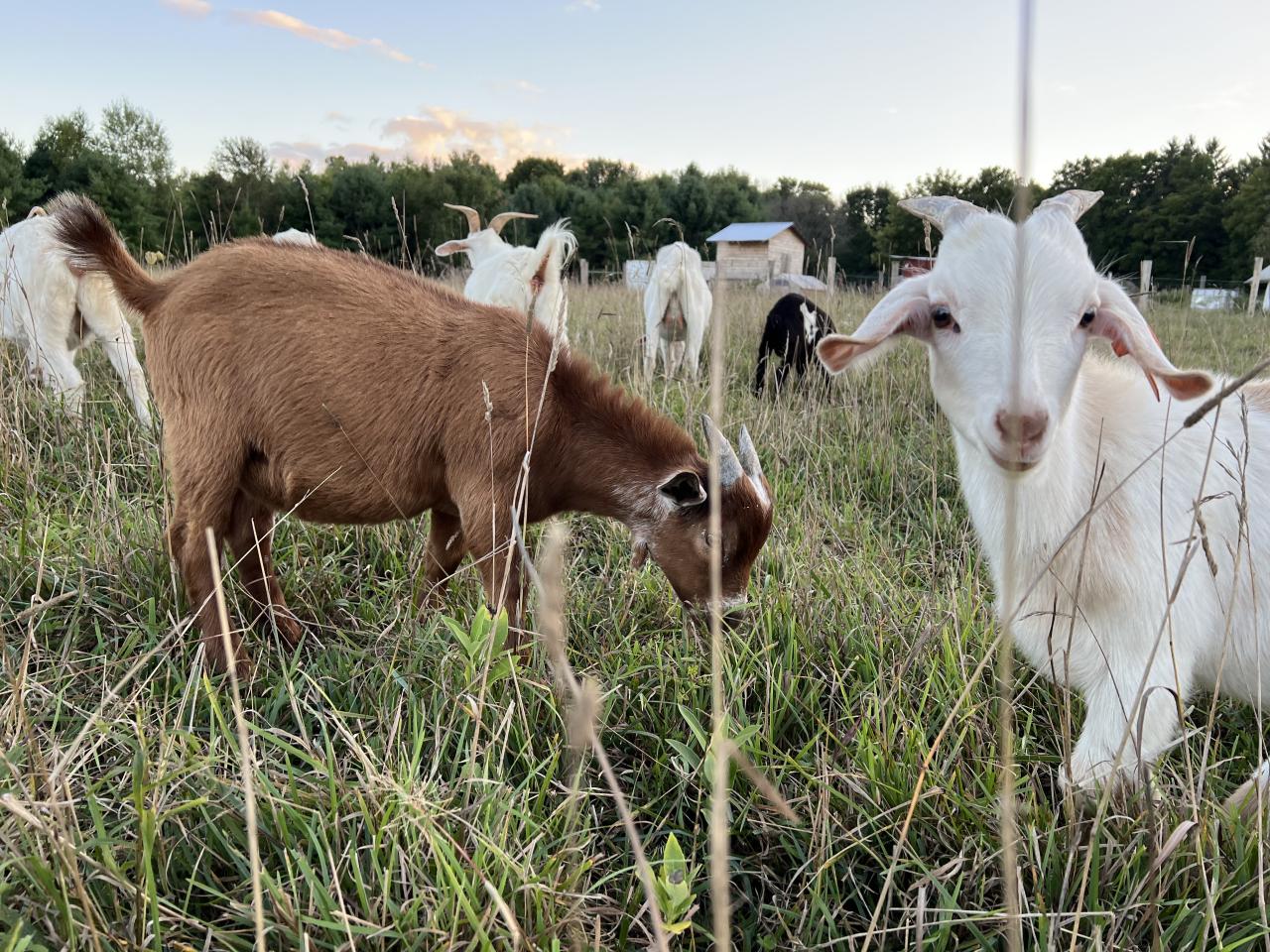 Enter targeted grazing — also known as goatscaping, prescribed grazing, or conservation grazing. It's not a new idea. It's actually one of the oldest land management tools in human history, and it's making a powerful comeback for one simple reason: it works.
The practice of transhumance — seasonally moving livestock across the land to graze — was once the backbone of land stewardship across Europe, the Middle East, and beyond. Herds of sheep, goats, and cattle mimicked the natural movements of wild bison, reindeer, and caribou, keeping vegetation in check, building soil health through natural fertilization, and maintaining ecosystems in a state of productive balance.
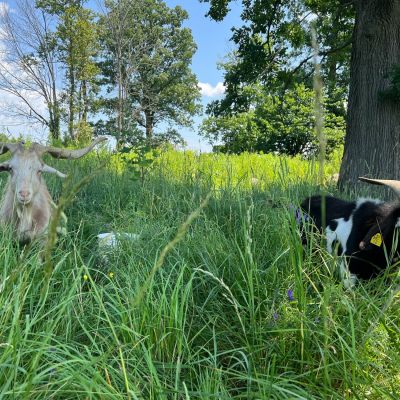
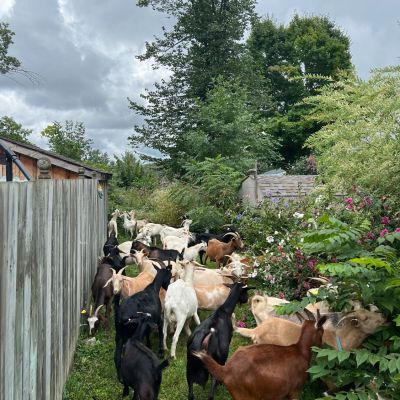
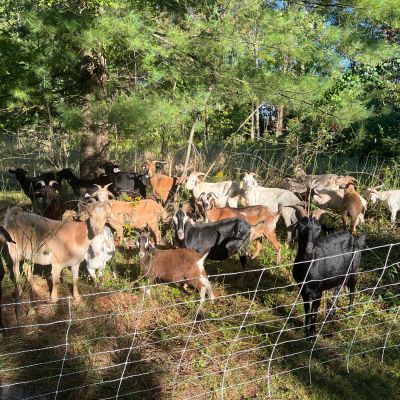
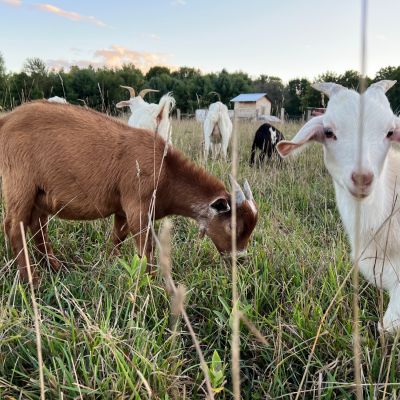
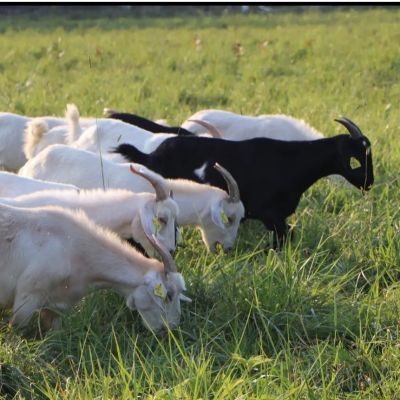
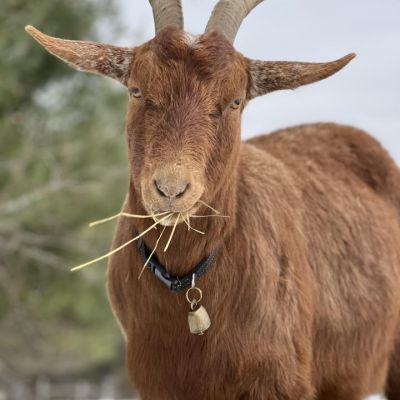
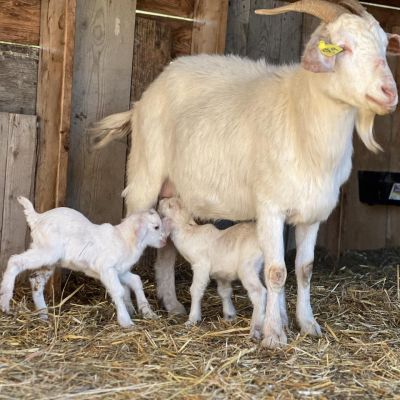
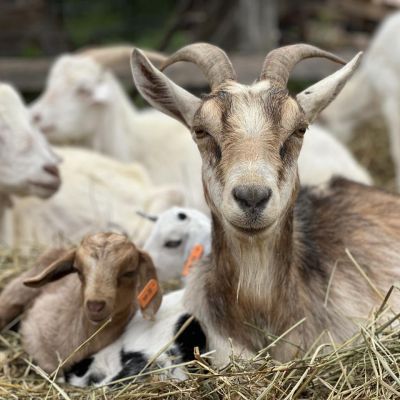
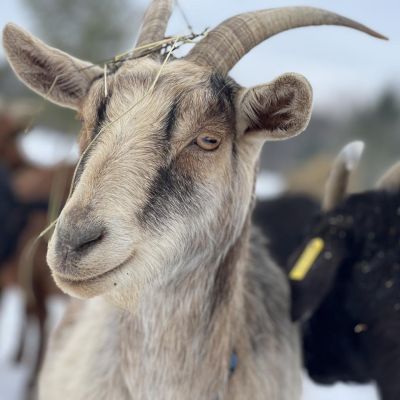
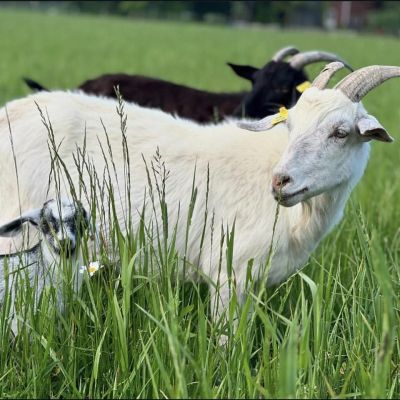
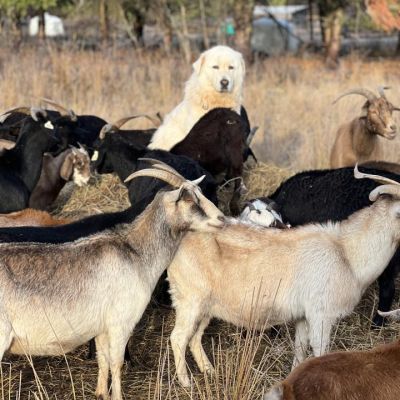
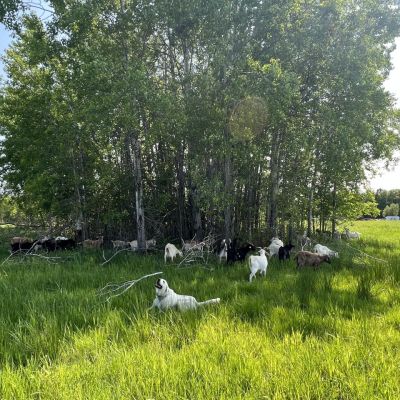
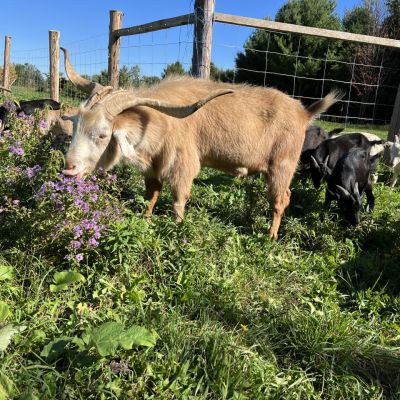
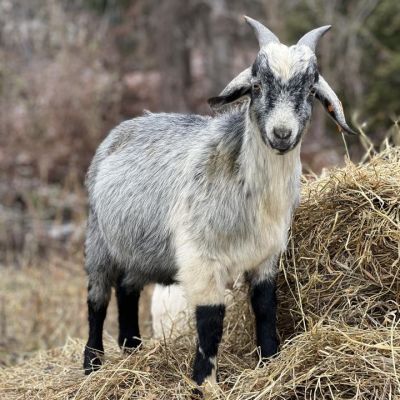
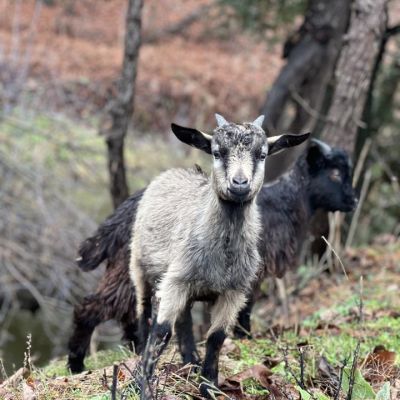
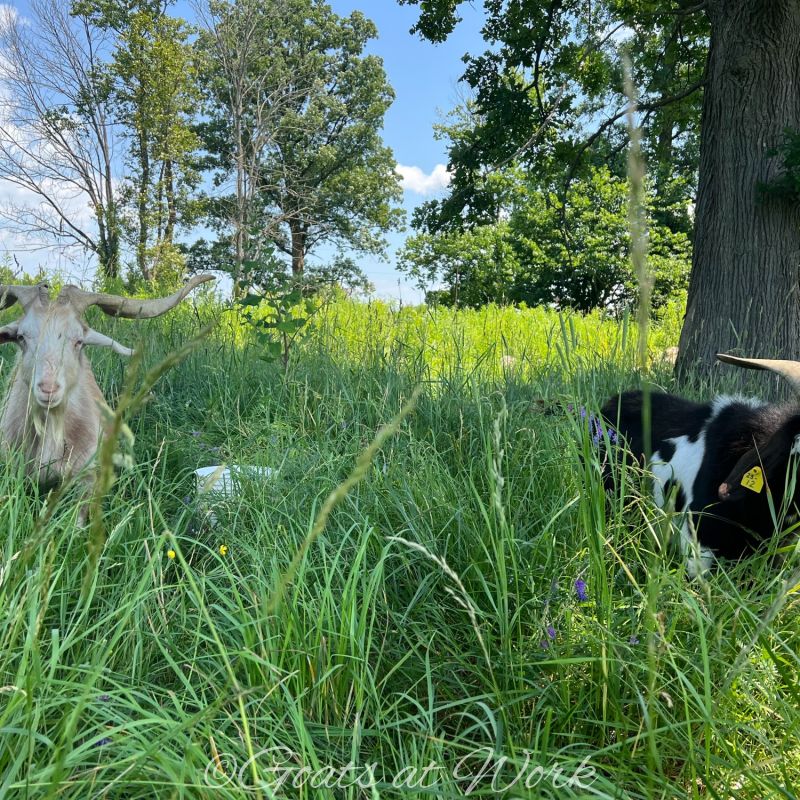
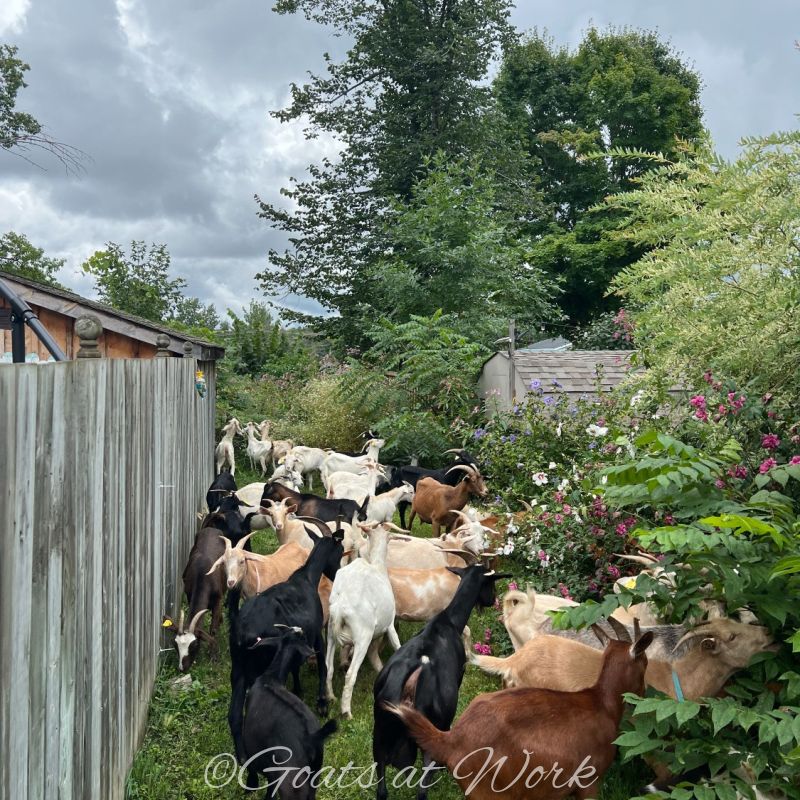
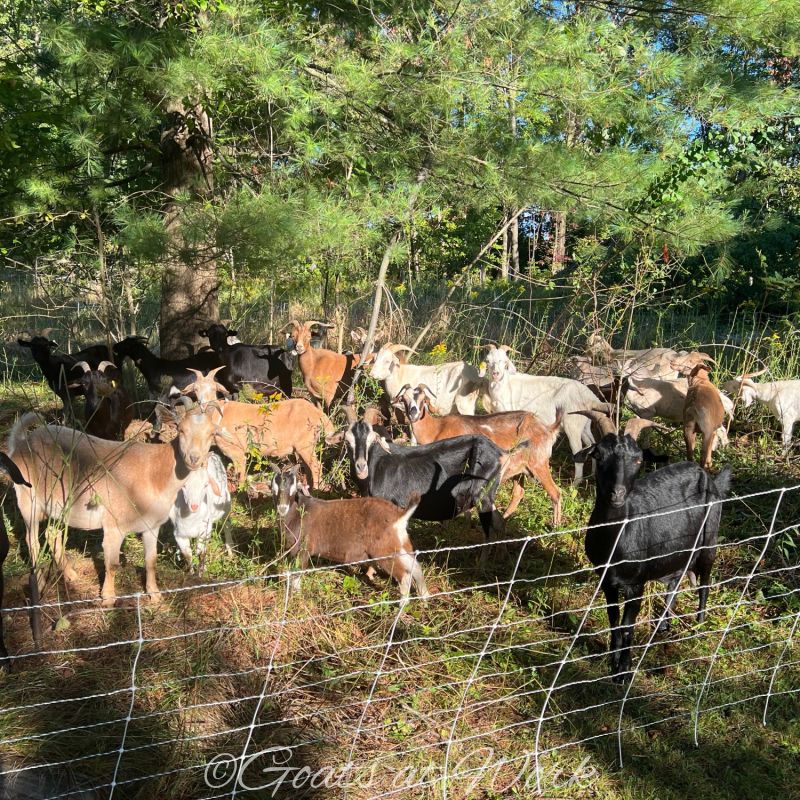
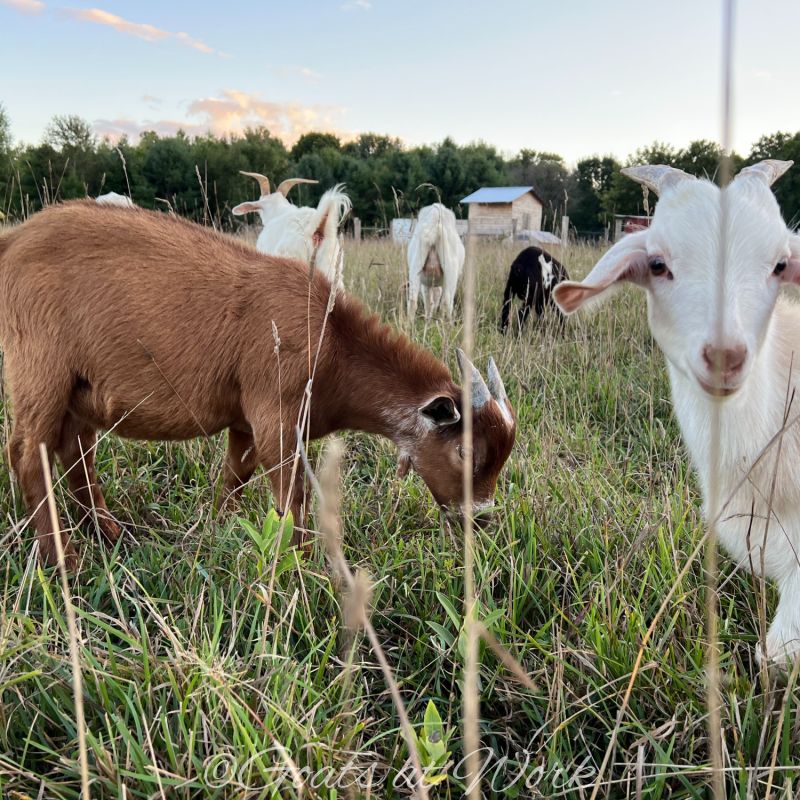
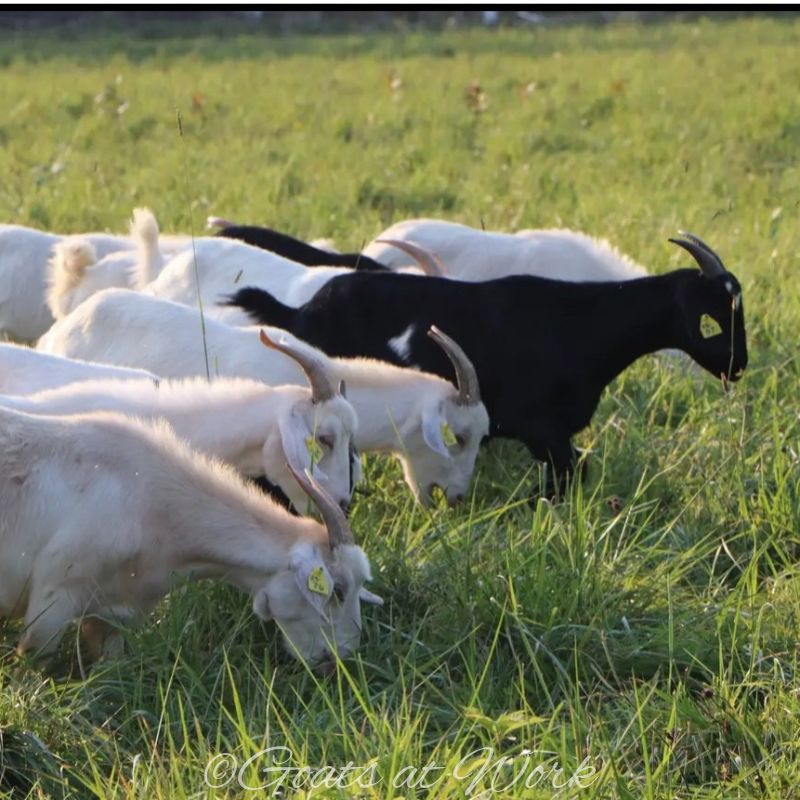
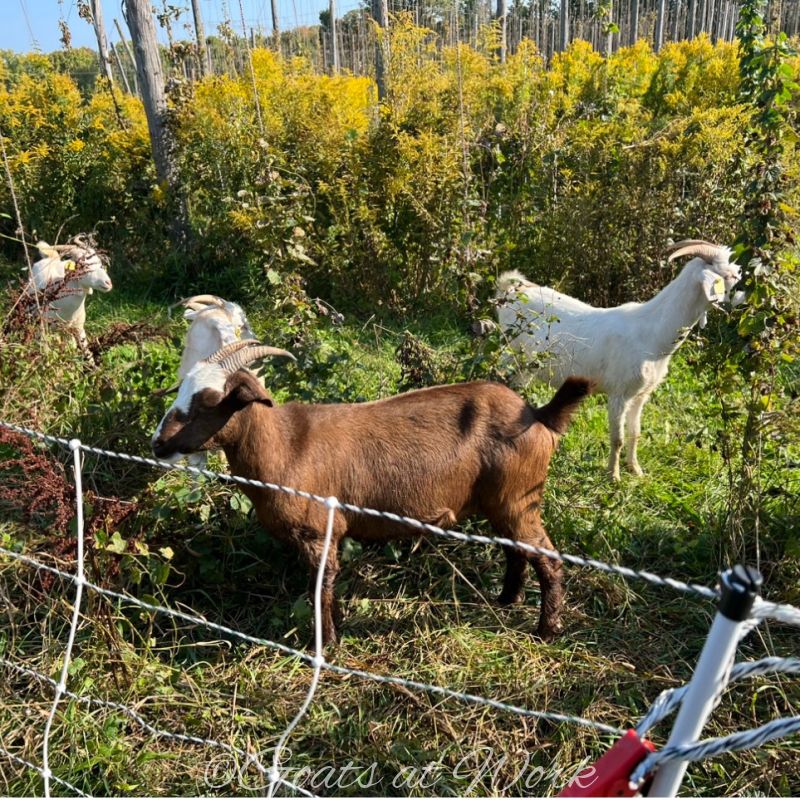
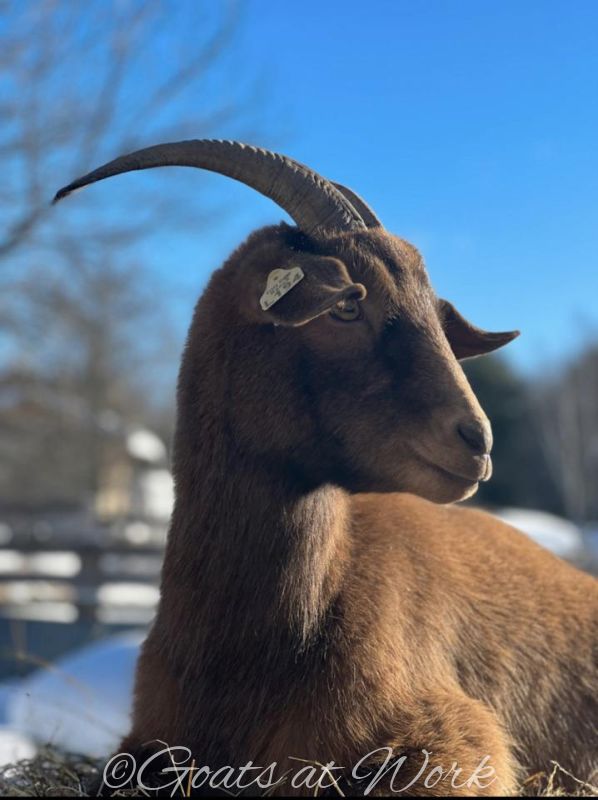
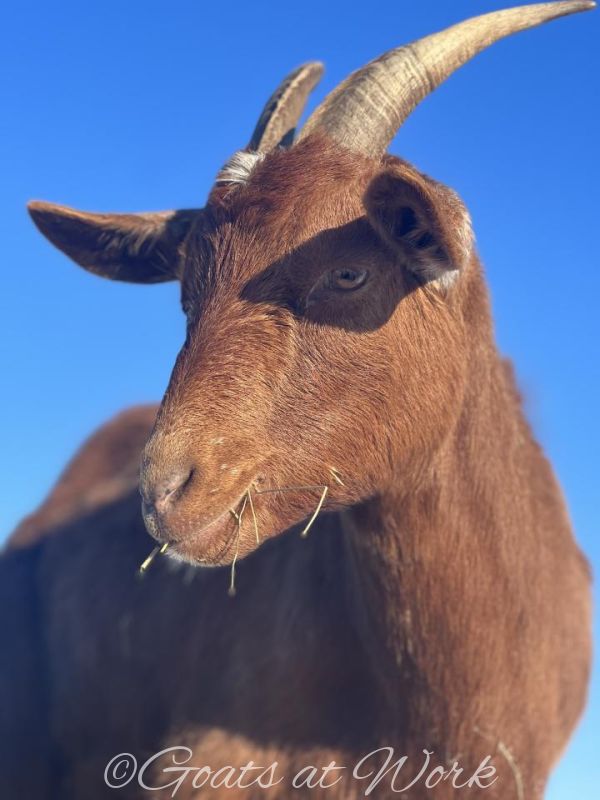
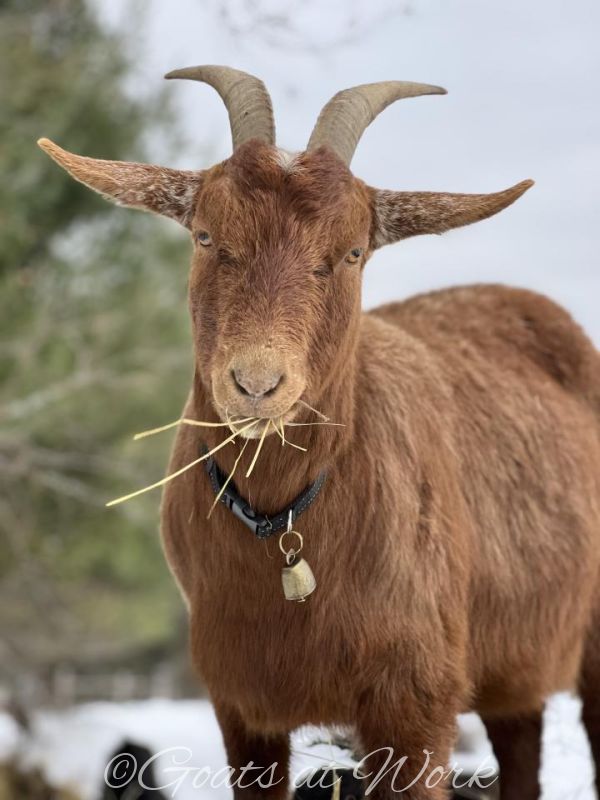
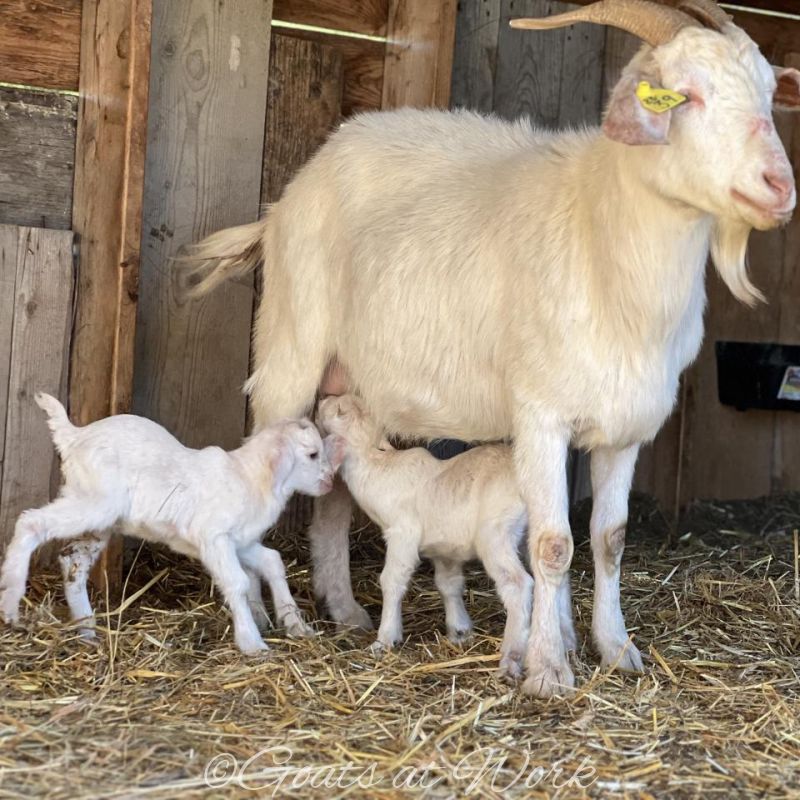
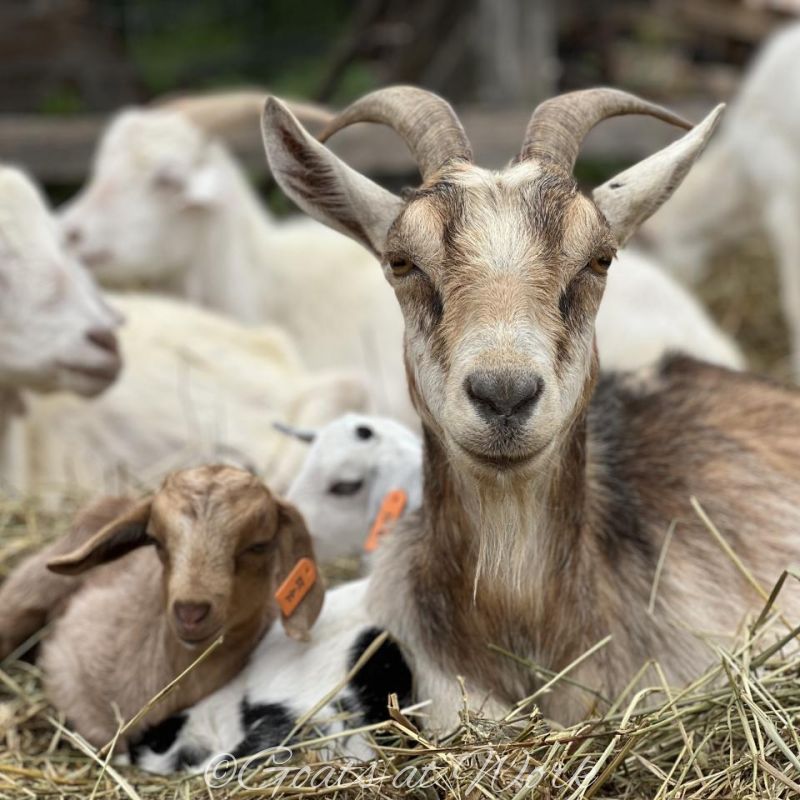
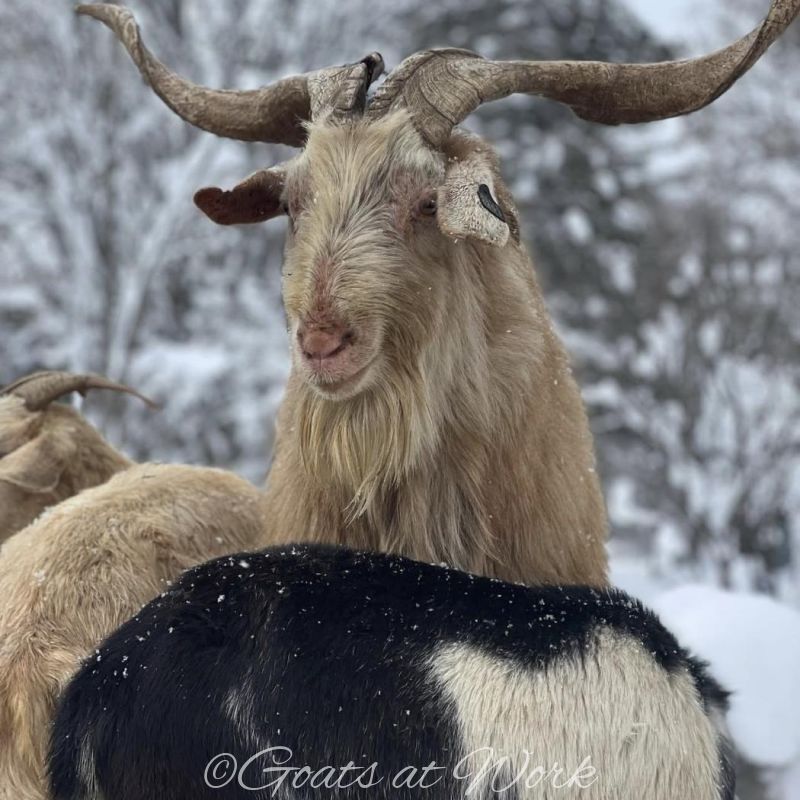
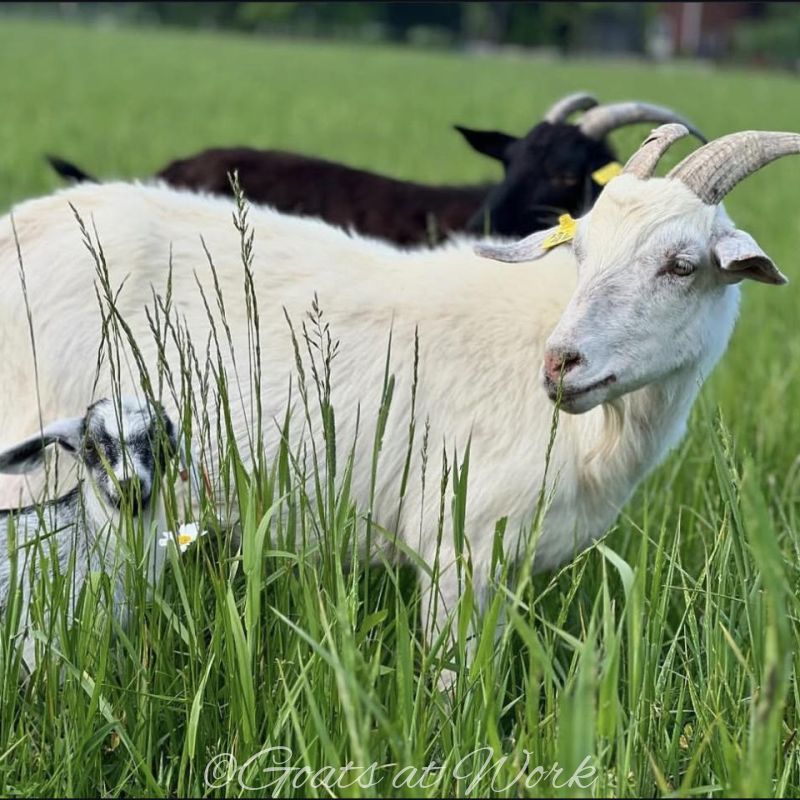
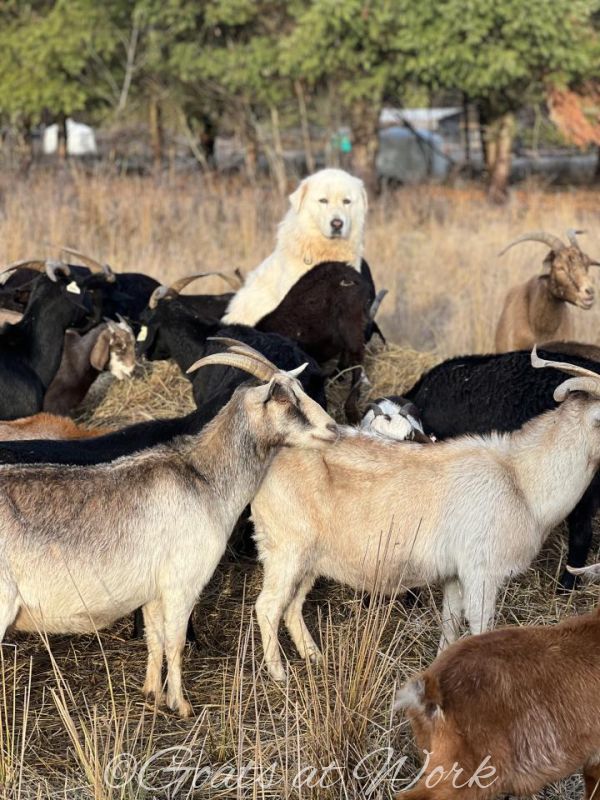
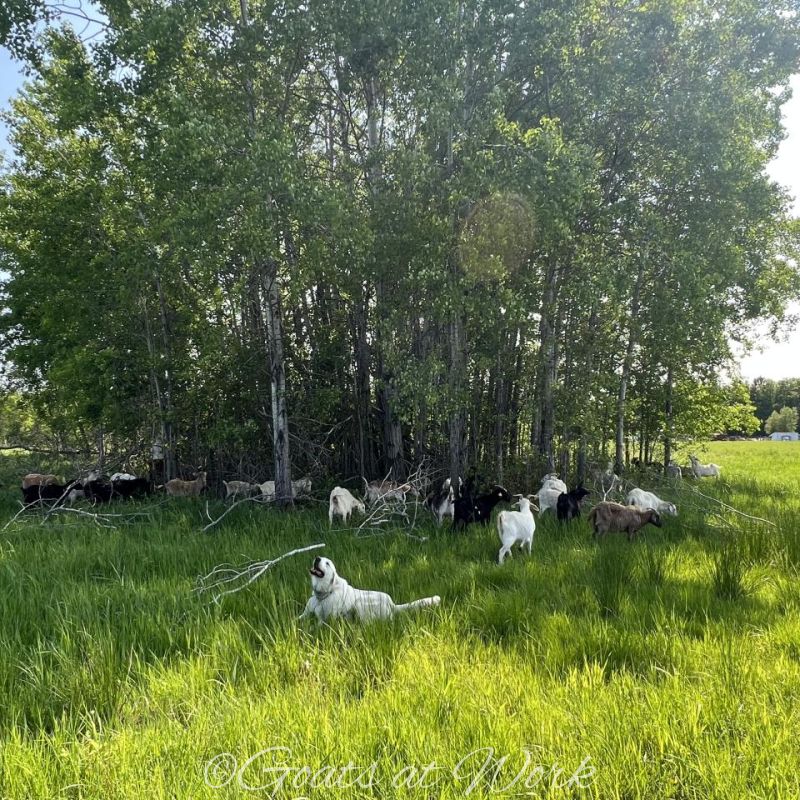
Today, our herd of 100+ purebred Kiko goats does exactly the same thing — just with a shepherd, a border collie named Cowboy Craig, and a team of Maremma livestock guardian dogs that keep everything running smoothly.
Why Goats Are Nature's Best Land Management Tool
They Go Where Machines Can't
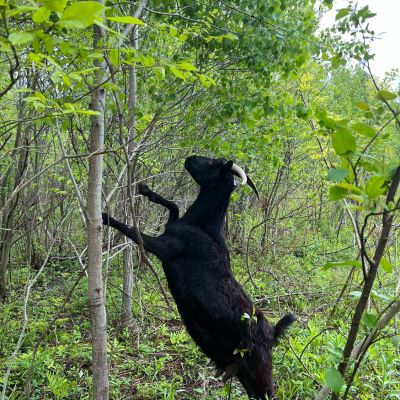
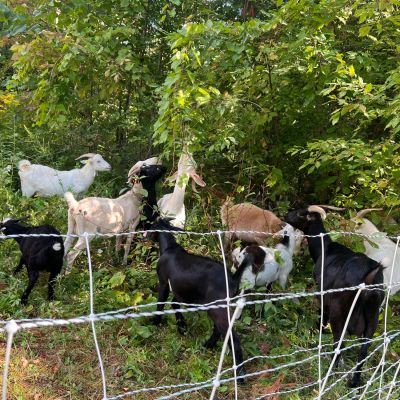
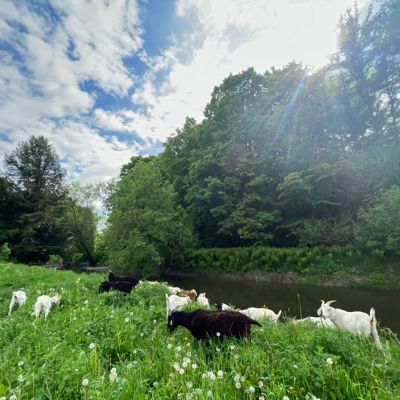
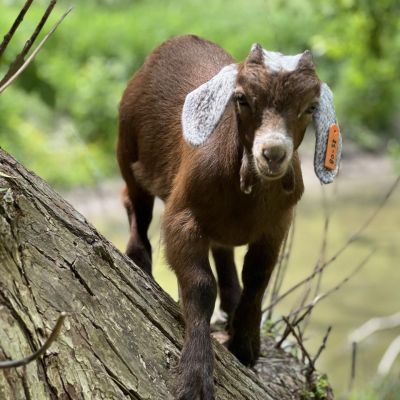
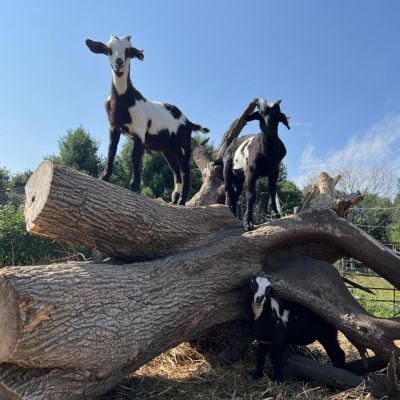
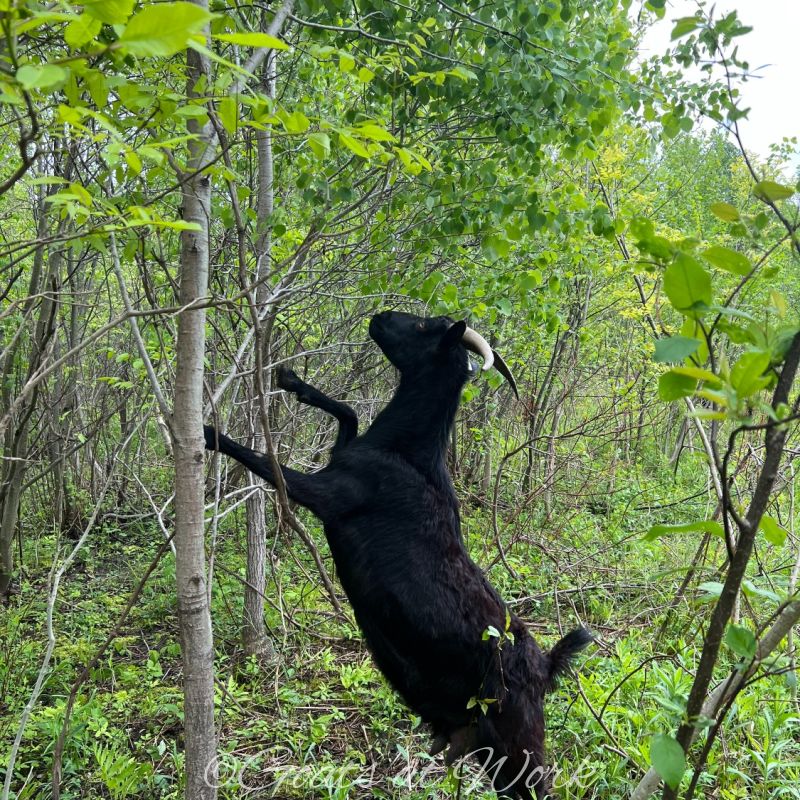
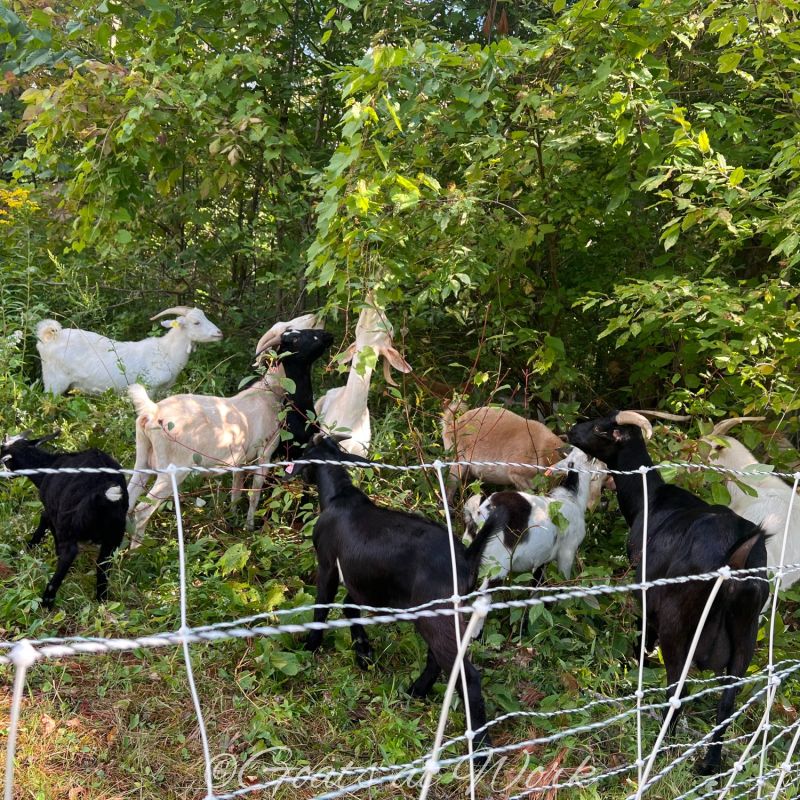
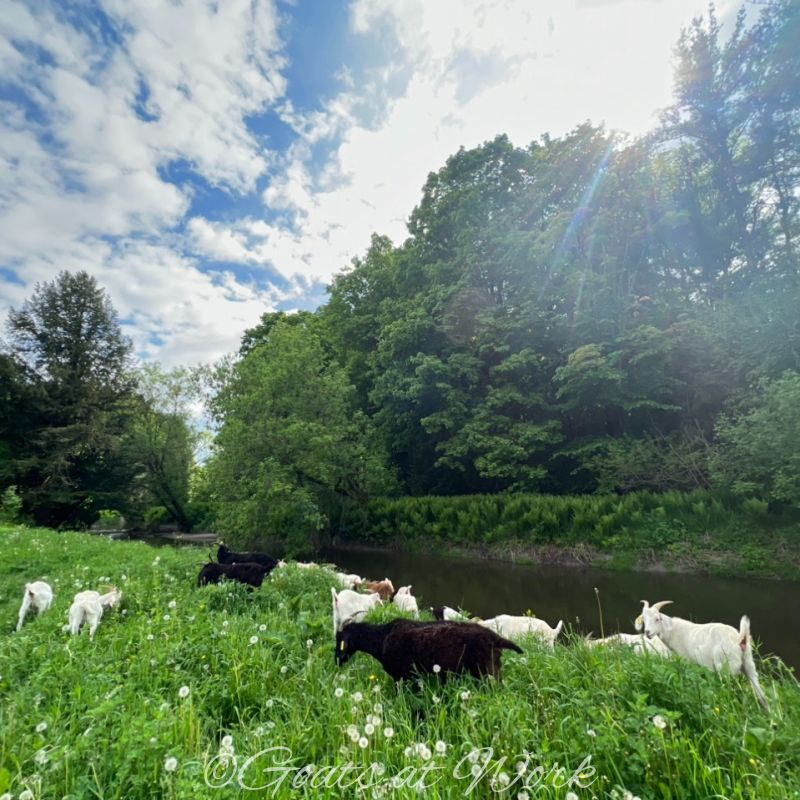
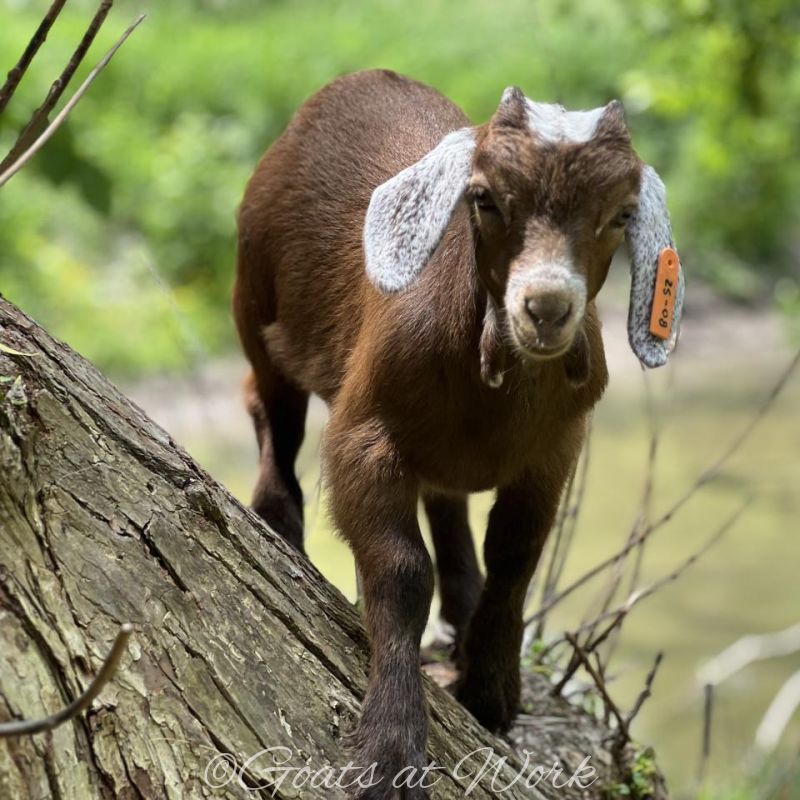
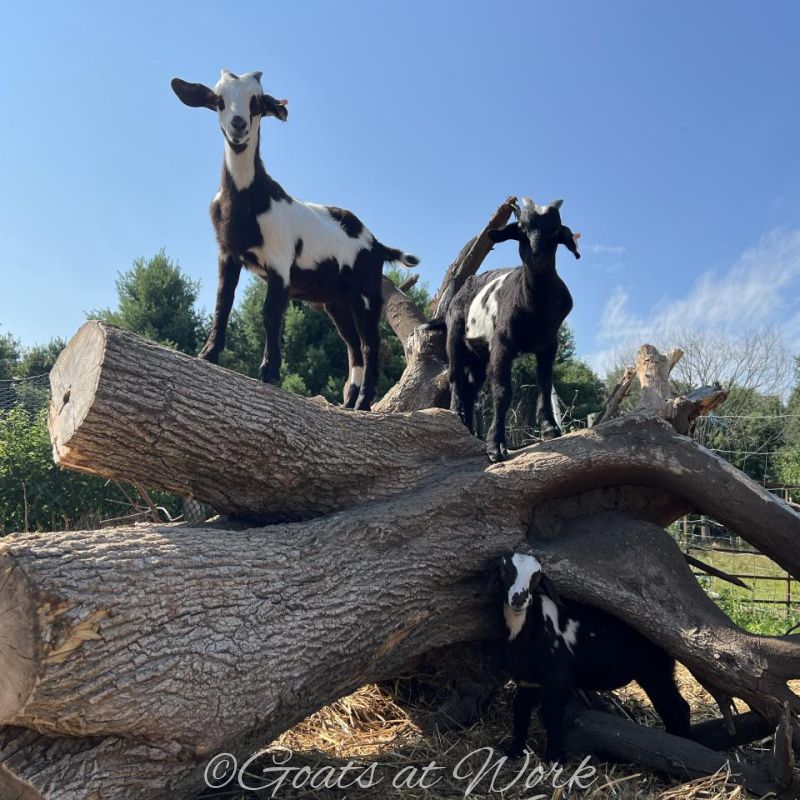
Steep slopes, rocky outcroppings, dense brush, and wet riparian areas along Ontario's waterways are no problem for a goat. They're sure-footed, adaptable, and tireless.
They Target the Right Plants
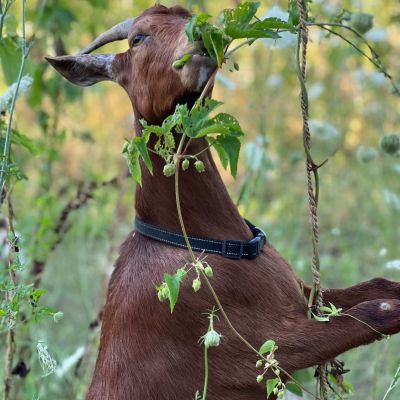
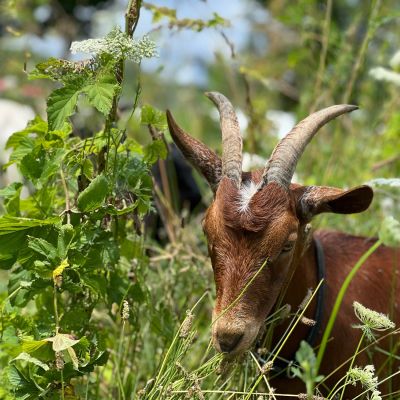
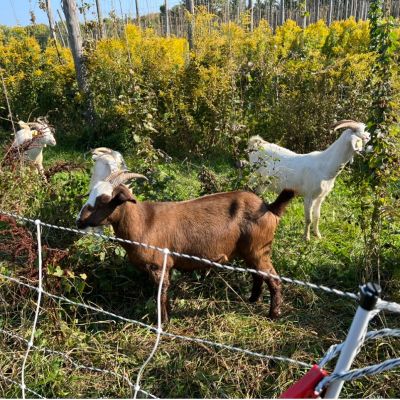
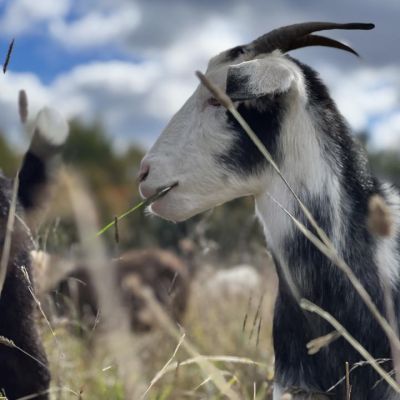
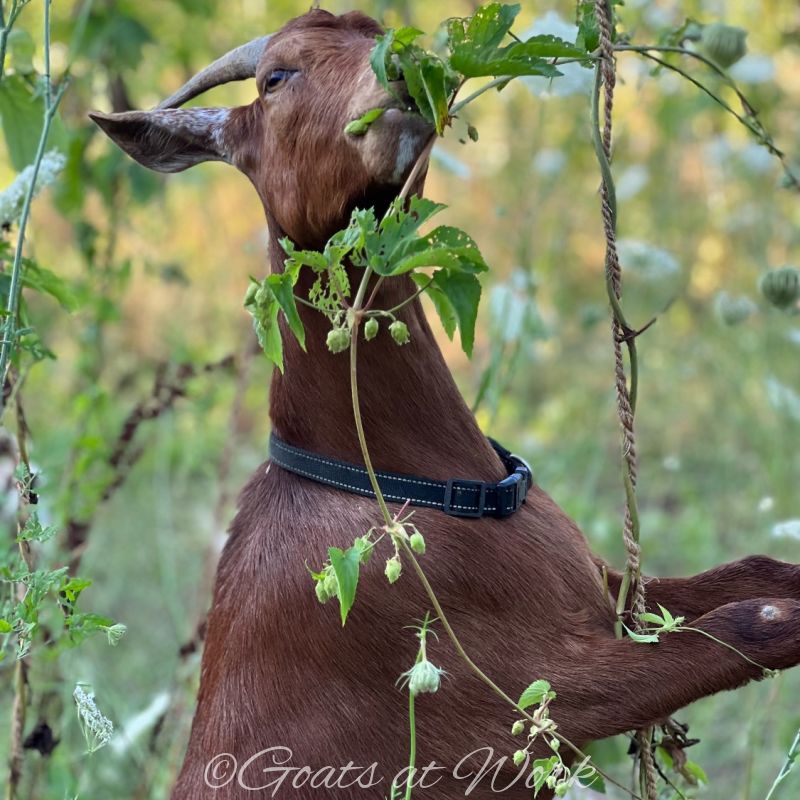
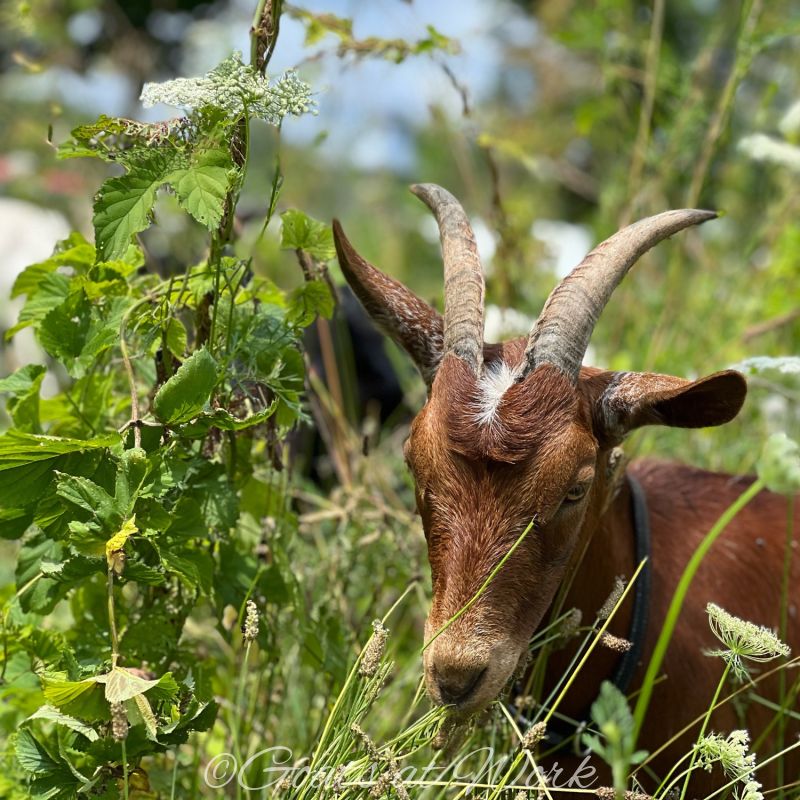
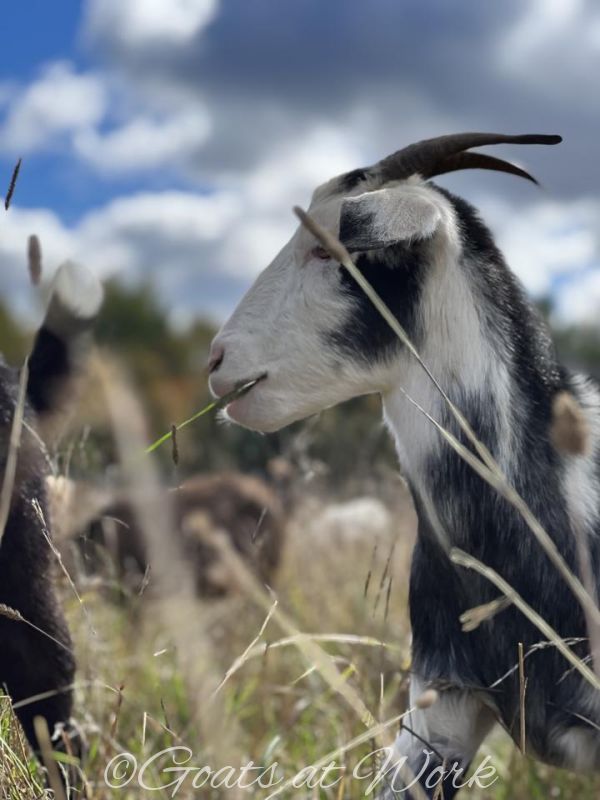
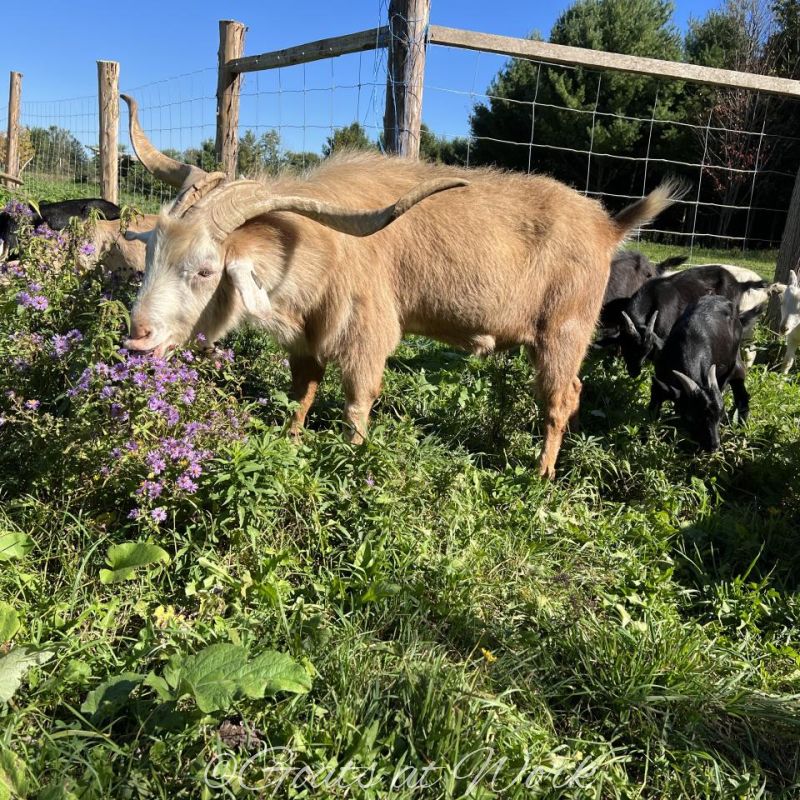
Goats naturally prefer brush, woody plants, and invasive species — exactly what landowners want removed. They'll tackle Phragmites, Buckthorn, Wild Parsnip, Garlic Mustard, and more.